
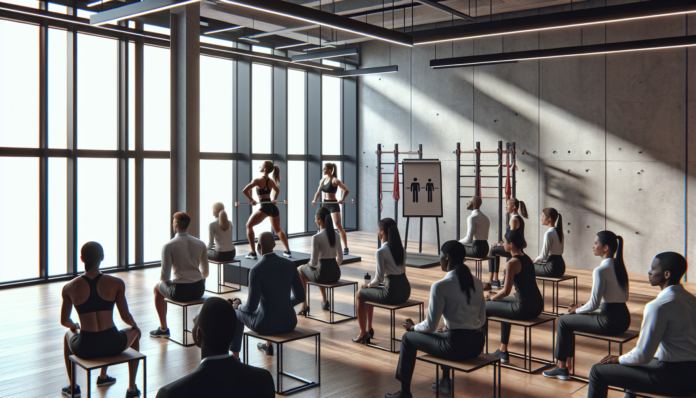

Why Physical Discipline Supports Leadership
Physical discipline is more than just a framework of boundaries and rules; it serves as a critical element in nurturing effective leadership. Leaders who incorporate physical discipline into their styles often exhibit enhanced focus, resilience, and decision-making abilities. This article explores the profound connection between physical discipline and leadership effectiveness.
Understanding Physical Discipline
Physical discipline refers to the practice of instilling control over one’s body and actions. It encompasses various aspects, including:
- Exercise and Fitness: Regular physical activity promotes health and stamina.
- Nutrition: Eating well supports mental clarity and energy levels.
- Routine and Structure: Consistent schedules foster predictability and reliability.
When individuals commit to physical discipline, they develop a strong foundation for leadership qualities.
The Impact of Physical Discipline on Leadership
1. Enhanced Focus and Clarity
Physical discipline aids in sharpening concentration. When leaders engage in regular physical activity, they often experience improved cognitive function. This mental clarity allows them to make more informed decisions.
- Exercise Releases Endorphins: These hormones enhance mood and mental sharpness.
- Structured Routines Reduce Stress: A predictable schedule helps leaders manage their time effectively.
By cultivating focus through physical discipline, leaders can navigate challenges with greater ease.
2. Building Resilience
Resilience is vital for effective leadership. Physical discipline teaches individuals to overcome challenges and adapt to adversity.
- Endurance Training: Engaging in physical challenges strengthens mental resilience.
- Goal Setting: Setting fitness goals cultivates a mindset geared towards achievement and perseverance.
Leaders who practice physical discipline are better prepared to face setbacks and inspire their teams to do the same.
3. Improved Decision-Making Skills
Strong leaders make decisions that impact their teams and organizations. Physical discipline enhances their ability to evaluate situations and respond appropriately.
- Mindfulness Through Exercise: Physical activities, like yoga, promote mindfulness, helping leaders stay present.
- Healthy Lifestyle Choices: Good nutrition fuels the brain, improving decision-making abilities.
The clear thinking and mindfulness developed through physical discipline lead to more thoughtful and strategic decisions.
Key Aspects of Physical Discipline for Leaders
1. Commitment to a Healthy Lifestyle
Leaders who prioritize their health set a positive example for their teams. This commitment often translates into various leadership benefits.
- Increased Energy Levels: Healthy individuals have more stamina to tackle daily challenges.
- Role Modeling: Leaders who exercise regularly encourage their teams to adopt healthier habits.
2. Creating a Supportive Environment
Leaders can foster an environment that encourages physical discipline among team members.
- Wellness Programs: Implementing fitness-related initiatives promotes a culture of health.
- Team Activities: Organizing group workouts or fitness challenges strengthens team bonds.
By creating a supportive environment, leaders enhance morale and productivity.
Balancing Physical Discipline and Leadership
While physical discipline is important, it’s equally vital to balance it with other leadership qualities. Here are some strategies to maintain this balance:
- Time Management: Prioritize physical activity without compromising work responsibilities.
- Mindfulness Practices: Incorporate moments of reflection to support mental health alongside physical health.
- Continuous Learning: Stay informed about health and wellness trends to keep the team motivated and engaged.
The integration of physical discipline with effective leadership creates a holistic approach to personal and professional growth.
Conclusion
Physical discipline is an essential component of effective leadership. It enhances focus, builds resilience, and improves decision-making capabilities. By committing to a healthy lifestyle, leaders not only elevate their well-being but also inspire their teams to achieve greatness.
As the landscape of leadership continues to evolve, incorporating physical discipline will remain crucial. Leaders who embrace this approach will be better equipped to navigate challenges and drive their teams toward success. Start today by implementing small changes in daily routines, and witness the positive impact that discipline can have on leadership effectiveness.